Evolving shopping patterns in Asia
Asian consumer behaviour is adjusting in response to the global economic slowdown with a noticeable pivot towards more sustainable and localized shopping. The growth in popularity of local designer brands in China exemplifies a broader regional trend where consumers are championing home-grown labels over international names. This shift is significantly altering the Luxury market, traditionally dominated by global brands.
Furthermore, the digital transformation has accelerated in the post-Covid era, with a surge in ecommerce activities. Direct-to-consumer platforms, marketplaces and live commerce events had become significant, reshaping Retail from a mere transaction to an engaging experience that starts online. According to a recent report by KPMG and GS1, 45% of Asian consumers prefer a an omnichannel approach from brands. With that aggressive adoption of digital shopping, businesses were forced to invest in tools that facilitated the adoption of technology in commerce. Companies developed AI solutions to help engage better with customers and improve their product recommendations. Coupled with their demands for experiences rather than material goods, brands need to restructure their business models to embrace both these realities into their marketing approaches, going omnichannel, or better known as, “phygital.”
Domestic consumption and currency influence
The weakening of the Yuan and Yen is influencing shopping trends across Asia, especially in Japan. While Chinese and Japanese consumers find advantages in shopping domestically, Southeast Asian countries are benefiting from a rise in intra-regional tourism and spending. Nations like Indonesia and Malaysia have seen a spike in domestic consumer spending due to improved economic conditions and increased digital payment solutions, which make transactions easier and more secure for the local populace. With reference to the KPMG report, it was found that 87% of consumers in Indonesia and 73% of Malaysian consumers prefer online shopping over in-store physical shopping.
Competitive dynamics in the region
Southeast Asia is rapidly emerging as a key player in the competitive Retail landscape. Countries like Vietnam and Thailand are attracting global tourists with their affordable luxury goods and diverse shopping experiences. In particular, the growth of integrated resorts and shopping complexes in these countries offers a compelling mix of entertainment and Retail, drawing tourists who seek value and variety.
Moreover, the digital economy in Southeast Asia is booming, with ecommerce platforms like Shopee and Lazada revolutionizing the way people shop. These platforms are not only popular for their wide range of products but also for their engaging consumer experiences, such as flash sales and live-stream shopping events, which are particularly popular among the tech-savvy youth demographic. With reference to the KPMG report on seamless commerce, it was found that 57% of Gen Z consumers prefer live streaming while 63% of them find social commerce pivotal for improving their shopping experience.
Additionally, the rise of sustainable and ethical shopping practices is more pronounced in Southeast Asia. With reference to KPMG’s report on seamless commerce, 86% of consumers are increasingly aware of and interested in brands that demonstrate corporate social responsibility, including environmental sustainability, fair labor practices, and the support of local artisans, which aligns with global shifts toward more conscientious consumer behaviors. Thus, it seems imperative that brands stitch the pillars of diversity, ethics and social responsibility into their core, offering sustainable experiences without eco-premiums.
Brand strategies and local retail adjustments
Luxury and high-end lifestyle brands are increasingly focusing on experiential Retail to draw customers into their physical spaces, transforming shopping from a transactional experience to an engaging and memorable event. Examples of such initiatives include:
Coach Play Shophouse Singapore: Coach took a unique take on marketing its iconic Tabby Bag in Singapore in the form of a concept space in a shophouse along the country’s iconic Keong Saik Road. Customers are completely immersed in the Luxury brand’s message once entering the shophouse, with engaging touchpoints such as a mirror room with LED display on the top floor — dubbed Coach World — which provides a surreal viewing experience as it dispenses a tale of the house’s heritage and craft legacy. With the all-inclusive space designed for interaction, community engagement is at the forefront. Coach Play Singapore Shophouse is intended to foster meaningful relationships within the local fashion community.
Chanel's Coco Café pop-up concepts across Asia: These cafés provide a relaxed atmosphere where customers can interact with Chanel’s beauty products while enjoying branded refreshments, merging Retail with lifestyle to enhance customer engagement.
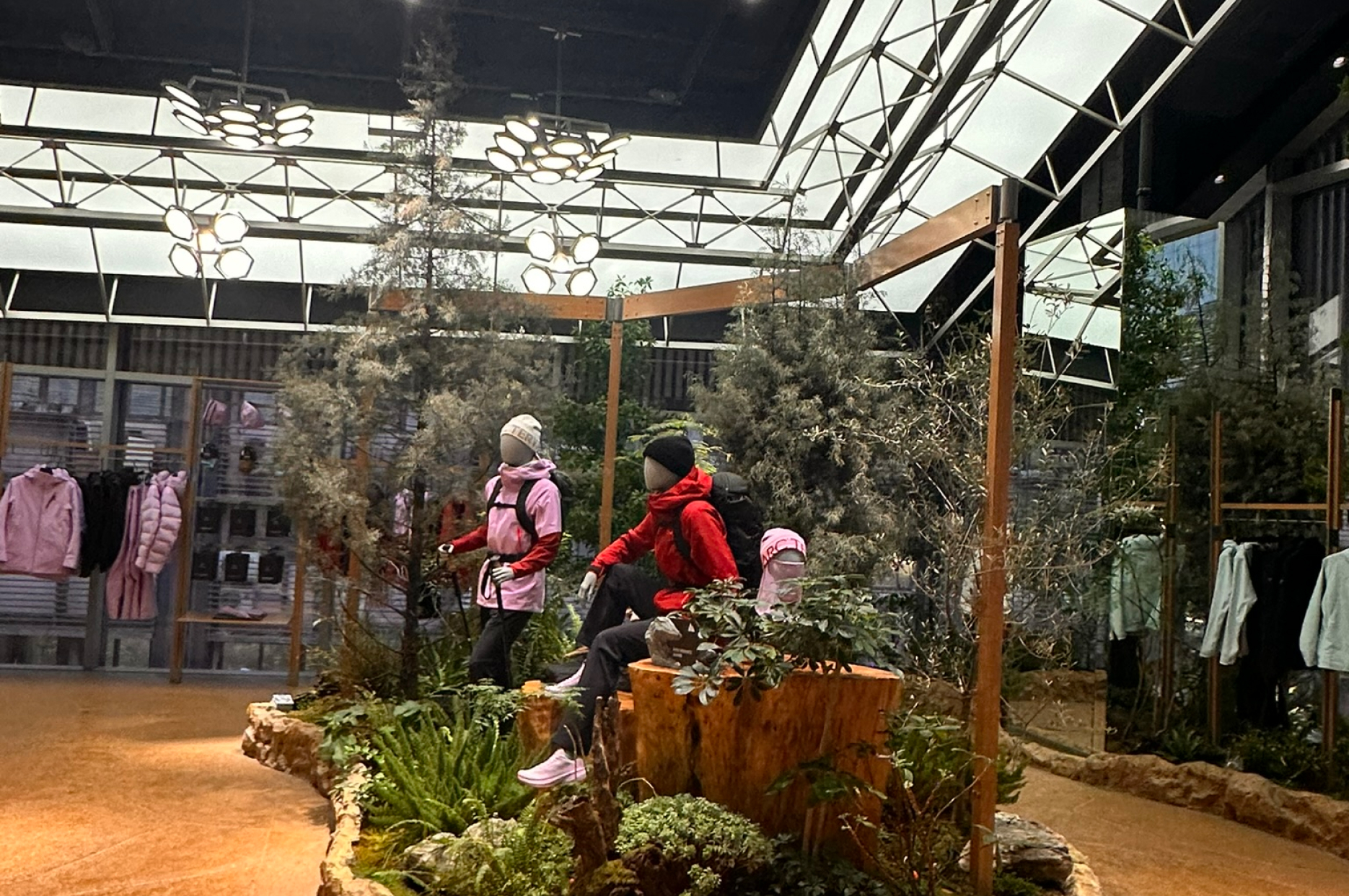
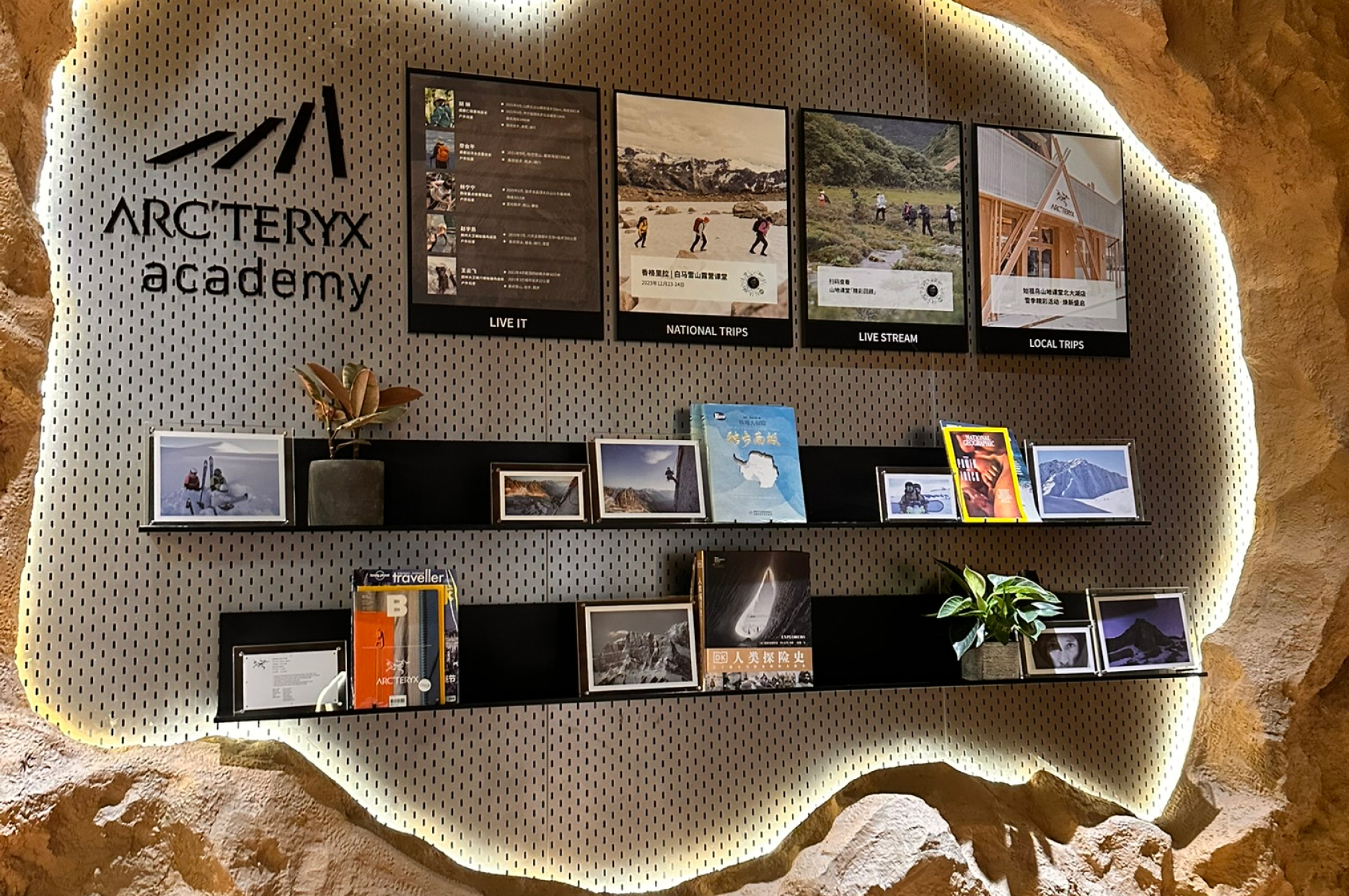
Arc'teryx Experiential Store in Chengdu: This store is designed not just to sell outdoor apparel but to immerse customers in the outdoor experience that Arc'teryx embodies. The store features climbing walls and uses virtual reality to simulate outdoor environments where shoppers can test gear in conditions it’s meant for. This innovative approach not only showcases the functionality of the products but also solidifies the brand’s identity as an integral part of the outdoor lifestyle.
These initiatives reflect a broader trend where brands are not just adapting to changes in consumer behavior but are actively shaping these behaviors by creating multifaceted experiences that combine shopping with social interaction, technology and personalized engagement.